SUGGESTIVE ACTIVITY for WEEK-4
CLASS-6
SUBJECT-SOCIAL STUDIES
**********************************************
DAY-1
**********************************************
MAKING OF COLLAGE AND CHART
INDIA AND WORLD
1. INDIAN FOOD


Answer. Rice
Q2. Name the food item which you like most and can prepare at home?
Answer. ............................................................
Q3. Ask students to write the Indian food items which they liked most?
Answer. ..................................................................
Q4. Ask students to write the Overseas food items which they liked most?
.........................................................................
Q5. Give a task to the Students to prepare a chart or collage of Indian Food?
........................................................................................
Q6. Name the food items which you can prepare.
...................................................................................
3. INDIAN DRESS
SHOW DIFFERENT DRESS CHART TO THE STUDENTS ABOUT INDIA AND WORLD

4. DRESS WORLD

Q1. Which is the draditional dress of Indian females?
Answer. Sari
Q2. Which is the draditional dress of Indian males?
Answer. Dhoti Kurta
Q3. Which foreign dress you like to wear?
Answer. .................................................
Q4. Name the different names of different dresses.
Answer. ...................................................
Q5. Show videos related to different dresses of India and world.
>>>>>>>>>>>>>>>>>>>>>>>>>>>>>>>>>>
DAY-2
>>>>>>>>>>>>>>>>>>>>>>>>>>>>>>>>>
PROCESS OF VOTING
IMAGE-1
.webp)
IMAGE-2

IMAGE-3

DISUSSION METHOD:
Discuss with the children about the Voting System in India and tell them the importance of Vote and then ask some questions.
..............................................................................................................
Q1. When did we celebrate Voter's Day in India?
Answer: 25th January every year.
Q2. Why do people vote?
Answer:
1. To choose their leaders.
2. These leaders form the and run the government.
3. These leaders make different laws.
4. These leaders solve different problems faced by people.
5. these leaders work for people.
Q3. What do you know about Indian Parliament?
Answer: Parliament is a supreme law making body in India.
Q4. Who is the Head of the State(India)?
Anaswer: President
Q5. What are election symbols?
Answer: Election symbols are the symbols provided by the Election Commission of India to the Political parties to contest elections.
Q6. What is EVM?
Answer: EVM is an electronic voting machine that enables the voterith a button for each choice of candidate.
>>>>>>>>>>>>>>>>>>>>>>>>>>>>>>>>>
DAY-3
>>>>>>>>>>>>>>>>>>>>>>>>>>>>
ECONOMIC ACTIVITIES
PICTURE

Q1. What means economic activities?
Answer: Which activities performed to earn money, known as economic activities.
Q2. Name few economic activities.
Answer: 1. To grow crops(Agriculture)
2. Industries
3. Transportation
4. Teaching
5. Banking
NON ECONOMIC ACTIVITIES


Answer: Which activities performed rendering services without the motive to earn money.
Q4. Name few non economic activities.
Answer: 1) To Pray
2) Cleanliness campaign
HOME MADE FOOD

Q5. Give 5 names of Home Made Foods?
Answer: 1. Chapati
2. Daal
3. Paneer
4. Rice
5. Dahi Rayta
any other items
Q6. Which food items can you prepare at home?
Answer: By students
CANTEEN FOOD

Q7. Which food items we purchased from canteen?
Answer: Oil, Spices, Ghee, Turmric, Salt etc.
Q8. Name few packed items which we purchased from canteen?
Answer: Noodles, Pasta, Jam, Tomato sauce etc.
VEGETABLES GROWING AT HOME

Answer: Tomato, Chilli, Cucumber, Spinach, Coriander etc.
Q10. Name the vegetables we can grow in winter season.
Answer: By students.................
BUYING VEGETABLES FROM LOCAL MARKET
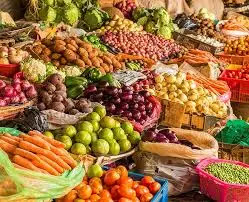
Q11. Which vegetables we cannot grow at home?
Answer: Onion, Radish, potato etc.
Q12. Make a drawing of vegetables you like to eat.
Answer: Drawing by students
***************************************
Learn More:
Learn More:
Hi
ReplyDeletebye
ReplyDeletebye
ReplyDeleteYo yo
ReplyDeleteHi
ReplyDeleteHi
ReplyDeleteThankyou so much sir
ReplyDeleteThank you so much sir
ReplyDeleteHi
ReplyDeleteYuuuu
ReplyDeleteHiiiiiiiiiiiiio
ReplyDeleteThank you sir
ReplyDeleteThank you
ReplyDeletethanku
ReplyDelete꧁THANK YOU SIR ꧂ 🤍🤍🤍
ReplyDeleteBixi op on top
ReplyDeleteBixi op
ReplyDelete